Effective Use of Hoarding Boards for Long-Term Brand Visibility
In an era where every impression counts, brands are increasingly using hoarding boards to capture attention and strengthen their identity in the public eye. From construction sites to event venues, hoarding boards serve as more than just barriers; they’re powerful marketing tools that can make a lasting impact. This blog explores how businesses can use hoarding boards effectively for long-term brand visibility, focusing on design, strategic placement, and regulatory compliance.
Understanding Hoarding Boards and Their Role in Marketing
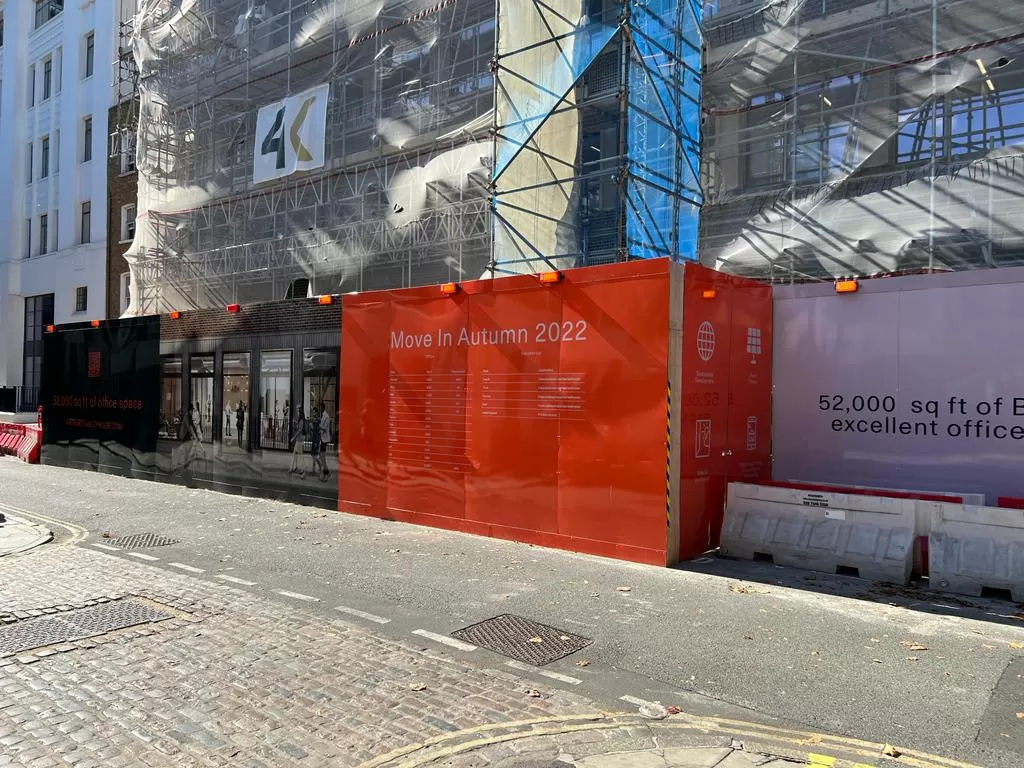
Hoarding boards are powerful marketing tools, often seen around construction sites or event spaces. These large, temporary structures are made from durable materials like aluminium composite panels and serve both protective and promotional purposes. By showcasing brand messaging or artwork, hoarding boards attract attention from both pedestrians and motorists. Here’s why hoarding boards are essential for businesses:
High Visibility: Positioned in high-traffic areas, hoarding boards capture the attention of thousands daily.
Advertising Space: They offer a prime location to promote a brand’s message or visuals.
24/7 Exposure: Even when construction or events are closed, the board continues to advertise.
Brand Recognition: Effective design communicates the company’s mission and values, leaving a lasting impression.
Cost-Effective Marketing: They are a relatively low-cost method for sustained exposure.

Designing Hoarding Boards to Stand Out
Design is key to making hoarding boards effective. A board with a compelling design, clear text, and vibrant colours will capture attention and leave a lasting impact. Here are some essential tips for creating a standout design:
Bold Visuals and Branding: Use high-resolution images, vivid colours, and large fonts that are easily legible from a distance. Incorporating the brand’s logo, tagline, and signature colours reinforces brand recognition.
Consistent Messaging: The board’s message should be simple and aligned with the brand’s identity. Whether it’s a slogan, a call to action, or a message about a new project, consistency in messaging builds familiarity.
Clarity and Simplicity: Hoarding boards should not overwhelm viewers with too much text or complicated graphics. A clear and concise design grabs attention and makes a lasting impression within seconds.
Working with professional designers and printers ensures that every element of the board aligns with the brand’s goals. This way, the board becomes a seamless part of the brand’s image, reinforcing the company’s identity to onlookers.
Maximising Placement and Visibility
Strategic placement of hoarding boards plays a crucial role in their effectiveness. Boards placed in high-traffic areas ensure more exposure, enhancing brand reach. For example, hoarding boards near popular landmarks, busy intersections, or transit hubs attract more attention, thus making the most of each impression.
In cities, placement near high-traffic roads is particularly effective, as passing vehicles and pedestrians will likely see the board multiple times, strengthening brand recall. Additionally, positioning hoarding boards at eye level and ensuring they’re free from obstructions increases the chances of engagement. By optimiing visibilitsy and positioning, businesses can maximise the reach and effectiveness of their hoarding campaigns.
Complying with Hoarding Rules in the UK
When setting up Hoarding Rules in UK, compliance with legal requirements is essential. The UK has specific guidelines on hoarding boards, often focusing on safety, aesthetics, and environmental considerations. Here are some key points to keep in mind:
Safety Requirements: Hoarding boards must be stable and constructed from safe, durable materials. Loose boards or inadequate supports can pose hazards, so ensuring structural integrity is critical.
Permits and Approvals: Depending on the location, hoarding boards may require permits or permissions from local councils. Ensuring all necessary approvals prevents potential fines or required removal.
Environmental Standards: UK regulations often require that hoarding boards be sustainable, recyclable, or eco-friendly, aligning with modern environmental standards.
Adhering to these guidelines ensures a smooth installation process and enhances the brand’s reputation. By meeting or exceeding hoarding rules in the UK, companies demonstrate their commitment to responsible and community-friendly advertising.

Conclusion
Hoarding boards offer a powerful medium for long-term brand visibility, serving as both protective barriers and impactful billboards. By designing eye-catching boards, placing them strategically, and complying with hoarding rules in the UK, businesses can achieve impressive results that leave lasting impressions on the public. A high-quality, well-maintained hoarding board communicates professionalism and strengthens brand identity, ensuring that each passerby remembers the brand. For expertly crafted hoarding solutions that align with these best practices, businesses can trust Hoarding Print Company to bring their vision to life.


Comments
Post a Comment