Posts

How to Plan Printed Hoarding Panels for a Building Site

Image
Printed panels can turn a plain boundary into something that genuinely represents a project, but the results depend heavily on preparation. Without a plan, it is easy to end up with mismatched sizes, artwork that ignores the joints, or a delivery that arrives before the frame is ready. With one, the whole process runs smoothly and the finished frontage looks intentional rather than improvised. The step-by-step approach below follows the order most project managers use, starting with the brief and finishing with installation and aftercare. Step 1: Set the Brief Decide what the panels must achieve. Is the priority security, marketing, community engagement or simply a tidy appearance? Write down the project duration, the budget and who signs off the artwork. A one-page brief saves endless back-and-forth later on. Step 2: Measure and Map the Run Take accurate measurements of every elevation, including gates, corners and changes in level. Mark which sections face the public and which are hi...
How Printed Hoardings Protect and Promote a Building Site

Image
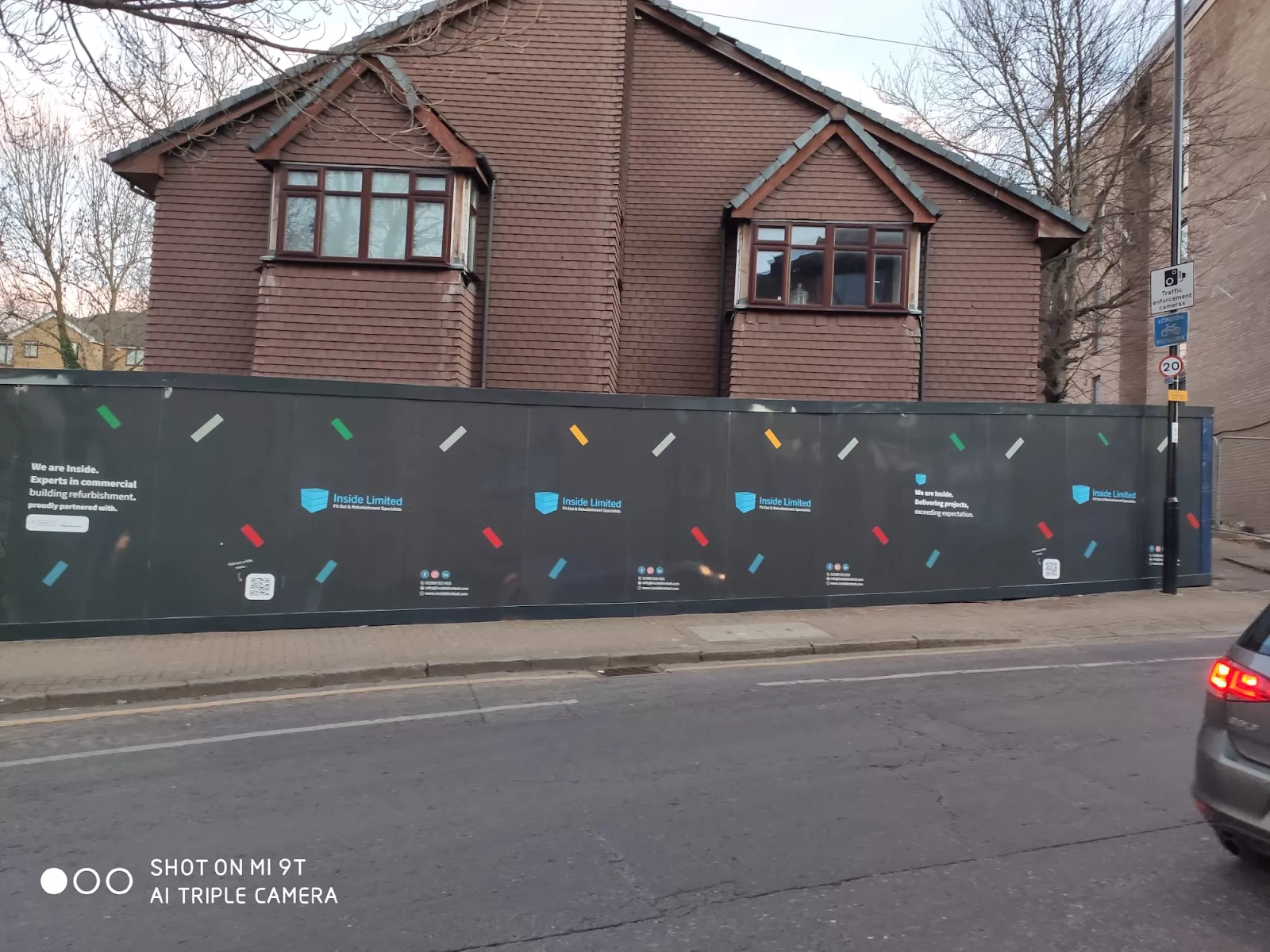
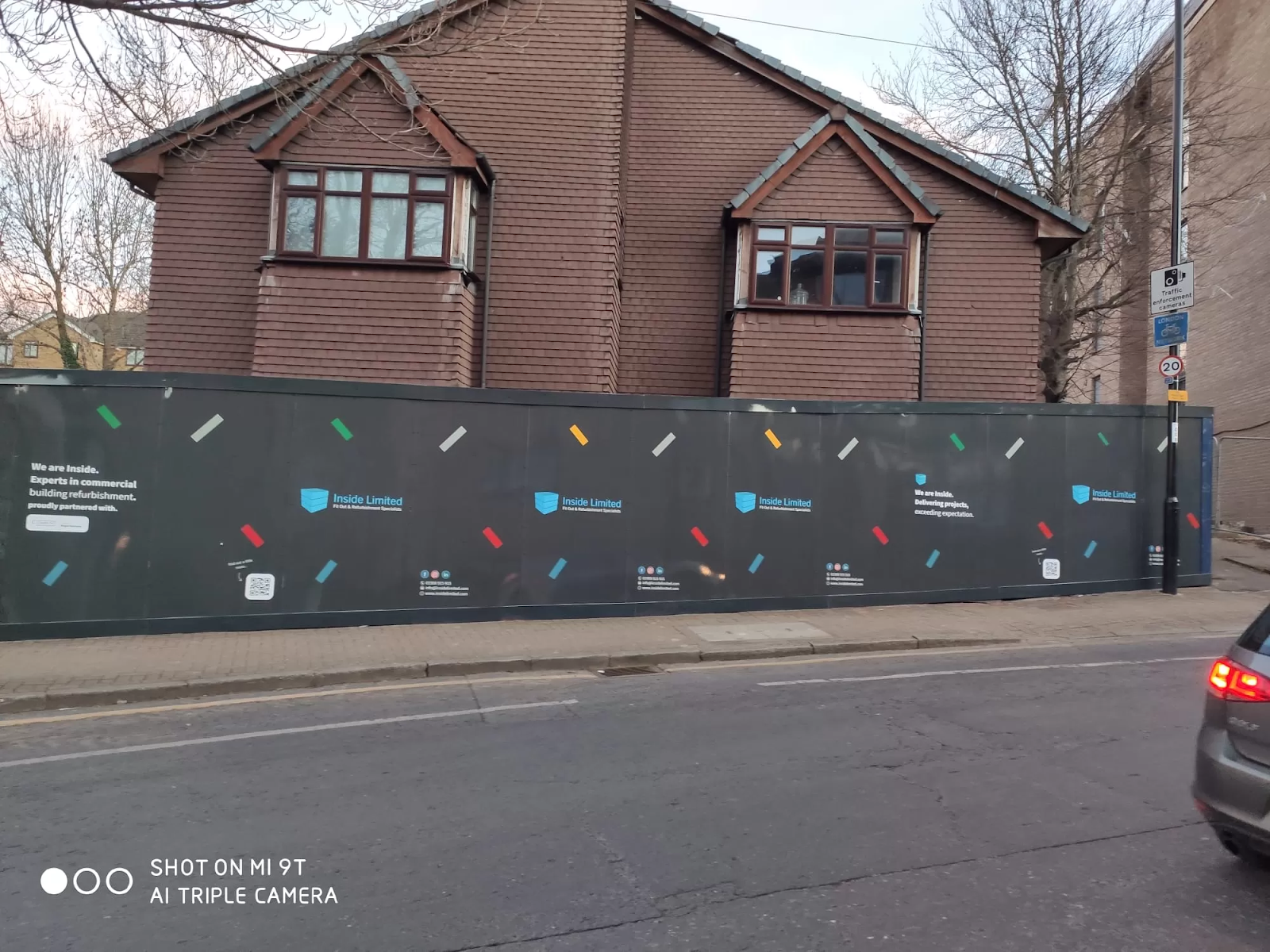
Every building site has two audiences. The first is anyone who might wander, climb or reach in where they should not, from curious children to opportunistic thieves. The second is everyone who walks past and forms an opinion, including future buyers, tenants, councillors and the people who live next door. A good perimeter answers both at once. It keeps people safe and out, while presenting the project in its best possible light. Getting that balance right is less about spending more and more about making smart choices early on. The Protective Job Keeping the public out Under the CDM Regulations 2015, the principal contractor must prevent unauthorised access to the site. Solid printed hoardings around 2.4 metres high are a common way to meet that duty on urban schemes, as they are hard to climb and leave no gaps to reach through. Screening the works A solid barrier helps contain dust and debris, and it hides plant, skips and stored materials from view. That matters for neighbours, and f...

Construction Hoarding Boards: What to Plan Before Installation

Image
A perimeter that goes up smoothly almost always has one thing in common: somebody did the thinking before the first post was concreted in. Rushed installations tend to show it, with uneven runs, gates in the wrong place and graphics that never quite line up. Careful planning, by contrast, saves money, keeps neighbours onside and gives the site a tidy face from day one. Below are the questions worth answering in advance, grouped in the order most project teams tackle them, so that nothing slips through the gaps. What is the Perimeter Actually For? Every site needs security and public protection, but the priorities shift from job to job. A city-centre office refit may care most about appearance and pedestrian flow, while a rural housing site might focus on deterring theft. Be clear about the main purpose before choosing anything, because it shapes the height, material and finish. Purpose also decides how much printed space you need. If marketing is part of the brief, plan for long, unint...

How Developers Pair Heras Fencing Covers and Building Wraps

Image
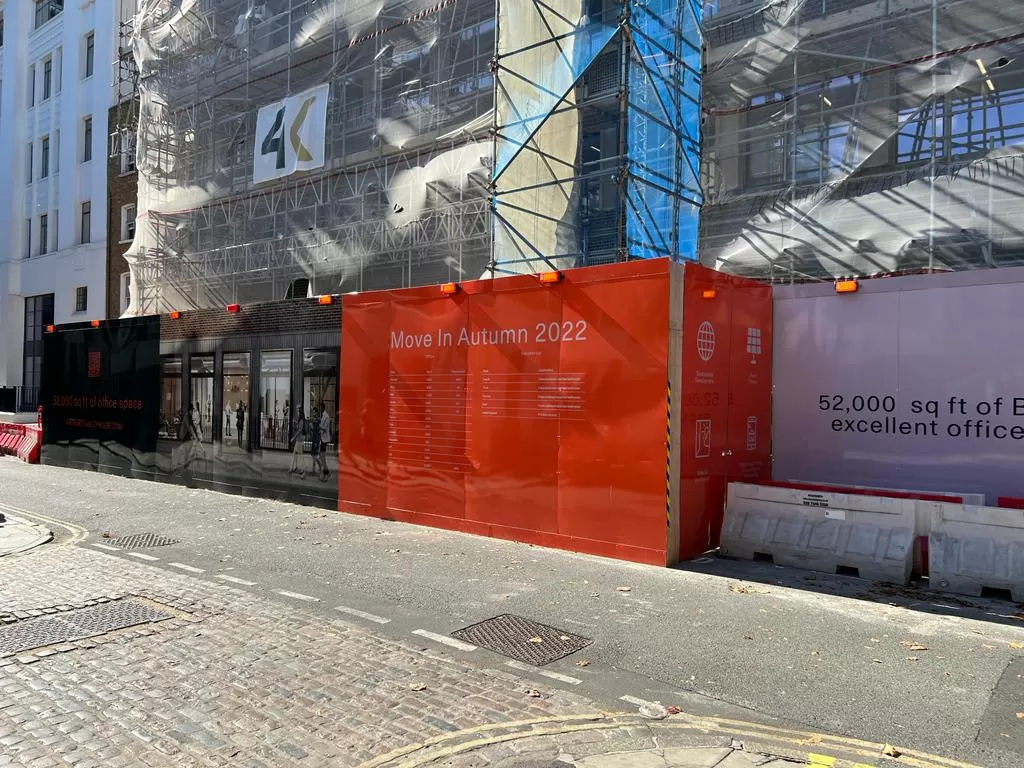
Walk past almost any major development in a British town centre and you will notice two layers of messaging working together. At street level, the perimeter guides pedestrians and screens the work behind it. Higher up, the scaffold carries something bolder, often a full-height image of the finished scheme. When both layers are planned as one, the site feels deliberate and well run. When they are not, it looks patched together. Here is how developers approach that pairing, from early planning right through to the day the scaffold finally comes down. Two Viewing Distances, One Story Developers tend to split a site into two zones. The ground-level zone is seen up close by people on foot, cyclists and drivers waiting at junctions. Messages here can afford detail: contact numbers, safety notices, opening dates and directions around the works. For this zone, Heras fencing covers do most of the heavy lifting. They turn a run of temporary mesh panels into a clean printed surface, hide stored m...

5 Checks Before Ordering Temporary Hoarding, Construction Banners

Image
Site perimeters do far more work than most people give them credit for. They keep the public safe, protect materials and equipment, and quietly tell everyone walking past who is building what. Yet the print side of things is often left until the last minute, squeezed in between scaffold deliveries and pre-start meetings. That rush is where costly mistakes creep in: the wrong material, a missing licence, artwork that blurs from across the road. Before you place an order, it pays to slow down and run through five practical checks. Why the Print Side Deserves Proper Attention On most UK sites, the perimeter goes up before almost anything else, and it often stays in place for months. It is the first thing neighbours, passers-by and the local council notice, so it shapes their impression of the whole project from day one. Getting temporary hoarding wrong rarely causes a disaster, but it does cause friction. Panels fade by spring, banners tear in the first winter storm, or the highways team ...

How Dibond Printing Creates Stunning, Weather-Proof Signage

Image
  In today’s world of outdoor advertising, durability and design quality go hand in hand. Whether it’s a busy high street, a construction site, or an exhibition venue, signage needs to withstand constant exposure to weather while maintaining a crisp, professional appearance. This is where Dibond printing stands out as a superior choice. With its sleek finish, robust structure, and long-lasting properties, Dibond has become the go-to material for brands and contractors looking to create signage that’s as resilient as it is visually impressive. The Demand for Durable Outdoor Signage Outdoor signage plays a crucial role in branding, promotion, and public communication. From  building site hoarding  that conceals construction zones to promotional panels and directional signs, each piece must endure wind, rain, sunlight, and pollution—all without fading or warping. Traditional materials like PVC or foam boards often struggle to maintain their appearance over time, leading to f...

The Importance of Hoardings in Sports Event Security

Image
  Sporting events bring together thousands of spectators, athletes, and staff—all in one high-energy environment. With such large gatherings, ensuring safety and smooth management becomes a top priority. One of the most effective yet often overlooked elements of event security is the humble hoarding. Beyond serving as a physical boundary, hoardings play a vital role in maintaining order, guiding crowds, and even enhancing the visual experience through smart hoarding lighting and durable hoarding panels. Hoardings as the First Line of Defence At the heart of any secure sports venue lies its ability to manage people effectively. Hoardings form the first level of control, acting as both physical and visual boundaries that define the movement of crowds. Key security roles of hoardings include: Crowd Control:  They guide the flow of spectators towards designated entry and exit points, preventing overcrowding in key areas. Restricted Access:  Secure hoarding panels help create ...